
When preparing for a trip, safety weighs as heavily as budget or weather in choosing a destination. The safest countries to travel to in 2024 cannot be summarized in a single list: the Global Peace Index, the Travel Risk Index, and the country reports from the Ministry of Foreign Affairs do not always provide the same rankings. Our selection combines these sources to highlight ten destinations where you can travel with peace of mind.
1. Iceland

Iceland has topped the Global Peace Index for years, and it’s no coincidence. The island has one of the lowest crime rates in the world, a small population, and well-maintained road infrastructure despite a harsh climate.
On the ground, the main challenge remains the weather: closed roads in winter, strong winds in the highlands. Checking conditions on the official website of the Icelandic Civil Protection before each leg of your journey helps avoid unpleasant surprises. To better understand the safety criteria that distinguish reliable destinations from risky areas, the ranking of the most dangerous countries on Le Voyageur Solidaire provides useful additional insights.
2. Singapore

Singapore consistently ranks high in safety rankings across all indices. The city-state enforces strict regulations that reduce petty crime to almost zero. You can walk at night in any neighborhood without worry.
The downside is the rigidity of local rules: fines for littering chewing gum, smoking bans in most public spaces. It’s best to read the country report from the Ministry of Foreign Affairs within 48 hours before departure to avoid any unintentional violations.
3. Denmark
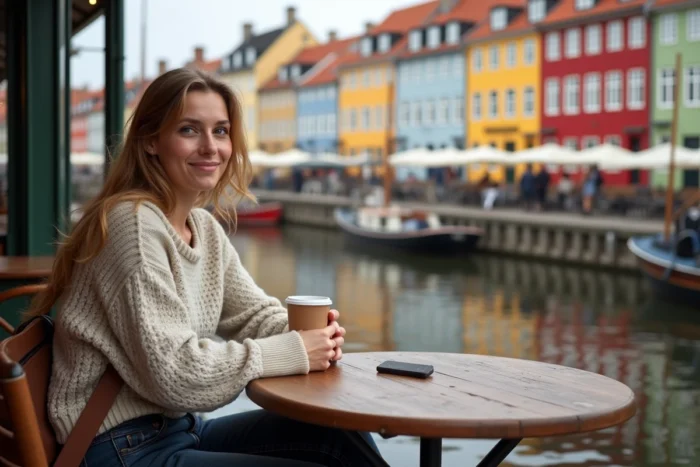
Copenhagen is easily navigated by bike at any hour, which is a good indicator of Denmark’s safety level. The country enjoys solid political stability and efficient public services, two criteria that count in the Global Peace Index.
For French travelers, the logistical advantage is real: less than two hours of flight from Paris, no visa required, health coverage via the European Health Insurance Card. One of the most accessible and safest countries in Europe.
4. Switzerland

Switzerland combines political stability, diplomatic neutrality, and remarkably precise transport infrastructure. The Travel Risk Index 2026 ranks it equal with Norway at the top of its own list, confirming its position among the very best according to the chosen methodology.
Budget remains the main hurdle. Accommodation and dining are significantly more expensive than in neighboring countries. You can offset this by booking in the valley rather than at the resort and opting for well-maintained and safe Swiss hostels.
5. Norway

Norway shares with its Scandinavian neighbors a high level of social trust and very low crime rates. The Travel Risk Index 2026 ranks it first, tied with Switzerland.
Norwegian road safety is exemplary, with strict speed limits and well-lit tunnels, even in the most remote areas. Hikers will appreciate the right to access nature (allemannsretten), which allows for free camping almost anywhere.
6. Austria

Vienna regularly ranks among the most pleasant cities to live in, and safety plays a direct role. Austria has a low crime rate, reliable public transport, and a healthcare system accessible to European travelers.
In the mountains, alpine huts are well-marked and mountain rescue services are responsive. It’s noted that feedback on trail safety varies during peak season when crowds can create tricky situations on the most frequented via ferratas.
7. Portugal

Portugal has established itself as a safe and affordable destination in Western Europe. Lisbon and Porto remain cities where petty crime (pickpockets in transport and tourist areas) is the main risk, far from heavier security issues.
Consulting the country report from the Ministry before departure helps identify areas with heightened vigilance, particularly in certain nightlife districts. Outside of these specific points, the country offers an unbeatable quality-safety-price ratio in Europe.
8. New Zealand

New Zealand remains one of the safest destinations in the Southern Hemisphere. The country combines low population density, institutional stability, and a well-established culture of hospitality.
The terrain constraint here is geography: active seismic zone, changing weather conditions in the mountains, isolated roads on the South Island. It’s advisable to carry a distress beacon for long hikes and check GeoNet alerts before heading out on a trek.
9. Ireland
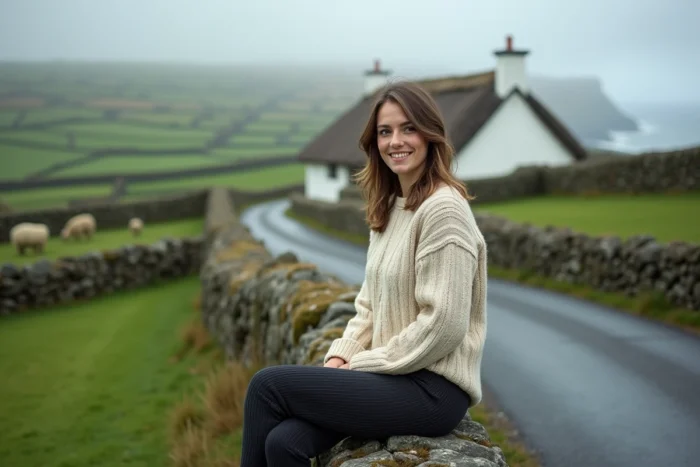
Ireland is distinguished by a hospitality known well beyond Europe and a peaceful social climate. The Global Peace Index regularly places it in the global top 10.
Practically speaking, Irish rural roads are narrow, and driving on the left can be disorienting in the first few days. A few criteria to check before departure:
- Validity of the European Health Insurance Card (covers routine care)
- French driving license accepted, but specific car insurance must be purchased for rental
- Highly variable weather: plan for waterproof layers even in summer
10. Slovenia
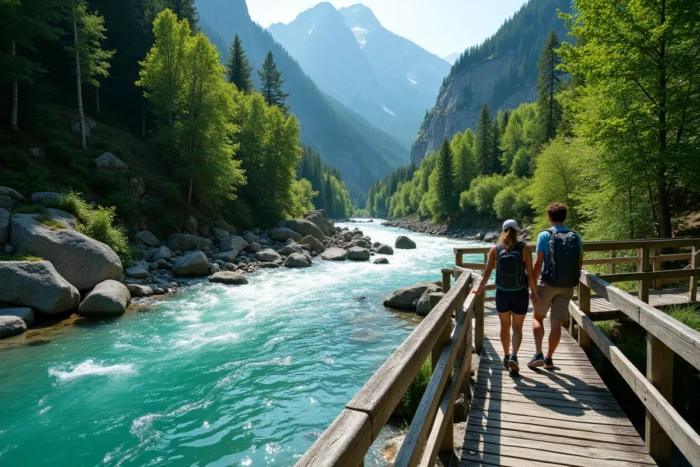
Slovenia remains under the radar for most travelers, and that’s precisely what makes it attractive. Little mass tourism, preserved nature between the Alps and the Adriatic, and a level of safety comparable to neighboring Austria.
Ljubljana is easily explored on foot, the Postojna Caves and Lake Bled are accessible by public transport. One of the best discovery-safety-budget ratios in Europe for travelers looking to step away from classic destinations without compromising on tranquility.
The choice of the safest country depends on the methodology: the Global Peace Index, the Travel Risk Index, or the reports from the Ministry of Foreign Affairs do not weigh the same criteria. Cross-referencing at least two sources before booking, checking alerts 48 hours before departure, and adapting your itinerary to local conditions remains the most reliable method for traveling with peace of mind.