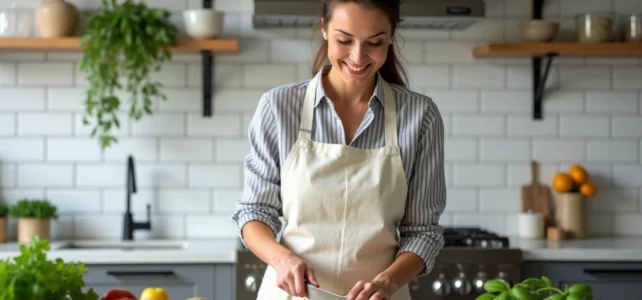
Cooking every day relies less on the recipes themselves than on how we organize the actions around them. A flavorful dish often depends on two or three technical reflexes applied at the right moment, not on a list of rare ingredients. This article details concrete methods to enhance the taste of simple meals, then offers recipe ideas suited to different time constraints and seasons.
Cooking Techniques That Change the Taste of Everyday Recipes
Most quick recipes share a common problem: the flavors remain flat. Adding salt or pepper at the end of cooking is not enough. The most effective lever is to toast the spices in fat at the beginning of preparation. Cumin, paprika, curry, or even a simple mix of herbs de Provence release their fat-soluble aromas when in contact with hot oil, which flavors the entire dish.
A second underutilized reflex: deglazing the cooking juices. After searing meat or vegetables over high heat, pouring a splash of broth, white wine, or even water into the hot pan loosens the caramelized residues stuck to the bottom. These juices concentrate a large part of the flavor. A few seconds of deglazing transform a simple turkey sauté with paprika into a dish with deep notes, without adding extra fat.
Those who wish to deepen these basics and discover other approaches can consult the Double Portion website, which addresses cooking from several practical angles.
One last often-overlooked point: resting temperature. Letting a piece of meat rest for a few minutes off the heat redistributes the internal juices. The result is more tender, more flavorful, without extra effort.
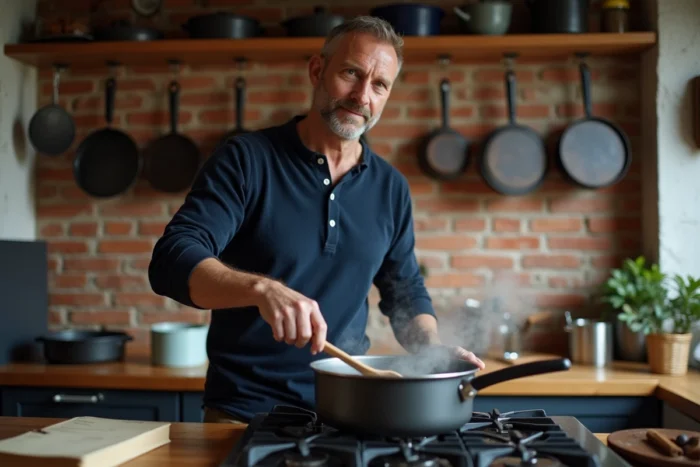
Vegetable and Legume Recipes for Weekday Meals
Vegetables and legumes form the most economical and quickest base for daily meals. However, one must go beyond green salad and zucchini gratin.
Lentil Salad with Tomatoes and Olive Oil
Green lentils, cooked in advance or canned, hold up very well when prepared the day before. Mixed with diced tomatoes, a drizzle of olive oil, salt, pepper, and a few fresh mint leaves, they make a complete meal rich in plant protein. Lentils gain flavor when they absorb the cold dressing, so advance preparation works in favor of the result.
Thick Seasonal Vegetable Soup
A vegetable soup only requires cutting time. Leeks, carrots, potatoes, and an onion sautéed in a bit of oil: everything cooks in broth for about twenty minutes. Blend afterward to the desired texture. The trick to elevate a bland soup: add a spoonful of miso or a splash of lemon juice just before serving, never during cooking.
Vegetable Rice Gratin
Leftover rice from the day before finds a second life in a gratin. Mixed with sautéed vegetables (zucchini, bell peppers, tomatoes), a bit of grated cheese, and a beaten egg, it goes into the oven until golden. This type of recipe absorbs leftovers and reduces food waste without sacrificing flavor.
No-Cook Recipes for Hot Days
When the temperature rises, turning on the oven or stovetop becomes a real deterrent. No-cook recipes are not a compromise: they constitute a category in their own right, with their own seasoning rules.
- Cold wraps filled with ham, raw vegetables, fresh cheese, and a few lettuce leaves can be assembled in minutes. The secret: season each layer separately rather than all at the end.
- Bowls of fresh fruit paired with plain yogurt, sunflower seeds, and a drizzle of honey replace a classic dessert while providing fiber and vitamins.
- Chickpea salads (canned, rinsed) with cucumber, tomato, red onion, and a lemon vinaigrette make a self-sufficient meal, rich in protein and ready in under ten minutes.
The common thread of these recipes: the quality of the seasoning matters more than the absent cooking. Good salt, fruity olive oil, and an acid (lemon, apple cider vinegar) are enough to create depth of flavor.
Micro-Habits in the Kitchen to Save Time Every Day
Changing recipes does not solve the problem if disorganization slows down each step. Minimal adjustments, repeated daily, significantly reduce the time spent in the kitchen.
- Group utensils where they are used: spatula and oil near the stovetop, knife and cutting board near the sink. Every avoided trip adds up over the week.
- Prepare all ingredients before starting to cook (what professionals call mise en place). Chop, measure, take out: everything is ready when the heat is on.
- Clean as you go. While a dish simmers or a pan heats, rinse the cutting board, put away a jar. The final dishwashing is reduced to a few items.
These habits do not change the recipes, but they change the daily cooking experience. A clear workspace allows for faster cooking and less mental fatigue.
The last factor rarely mentioned: always cover dishes in the microwave or during simmering. This speeds up reheating, limits splatter, and retains moisture in the food. A gesture of a few seconds that improves both the result and the cleanup.