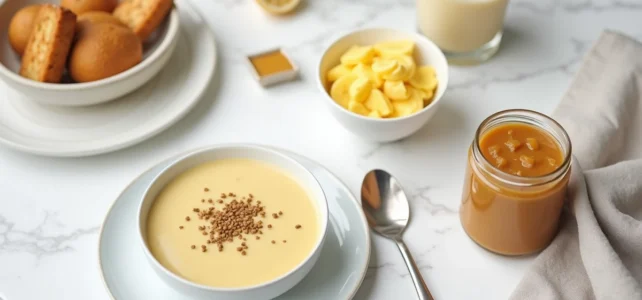
After a dental extraction, the operated area remains fragile for several days. Foods must meet three criteria: soft texture, warm or cold temperature, and absence of small pieces that could get lodged in the socket. Here are ten concrete meals that are easy to prepare and cover nutritional needs without compromising healing.
To know what to eat after a dental extraction according to Mon Coach Douleur, the logic remains the same: prioritize textures that require no heavy chewing, especially during the first 72 hours.
1. Smooth Vegetable Soup
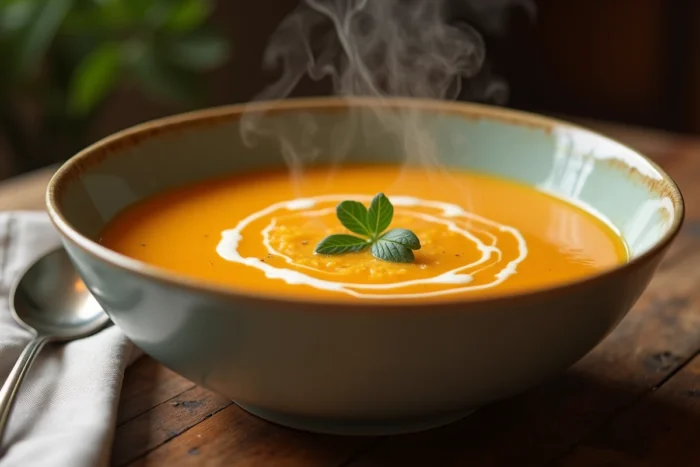
Smooth vegetable soup is the go-to meal for the first few days. Zucchini, carrot, pumpkin, or broccoli: the base doesn’t matter, as long as the result is perfectly smooth after blending.
Temperature is as important as texture. Serve the soup warm, never hot, to avoid disturbing the formation of the blood clot in the socket. A soup taken from the refrigerator and then warmed for a few seconds is better than a steaming hot soup.
Add a spoonful of olive oil or fresh cream to increase caloric intake without changing the consistency.
2. Mashed Potatoes with Melted Cheese
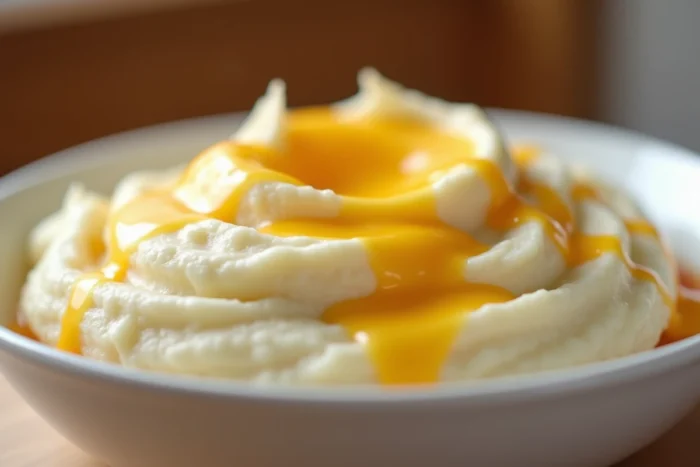
Mashed potatoes provide sufficient carbohydrates for a main meal. Melted cheese (like grated comté or fresh cheese) blends into the texture without creating chunks.
Avoid adding crunchy elements like bacon bits or chopped chives. The simplest version is the best: potato, butter, milk, and cheese.
3. Homemade Fruit Applesauce without Seeds
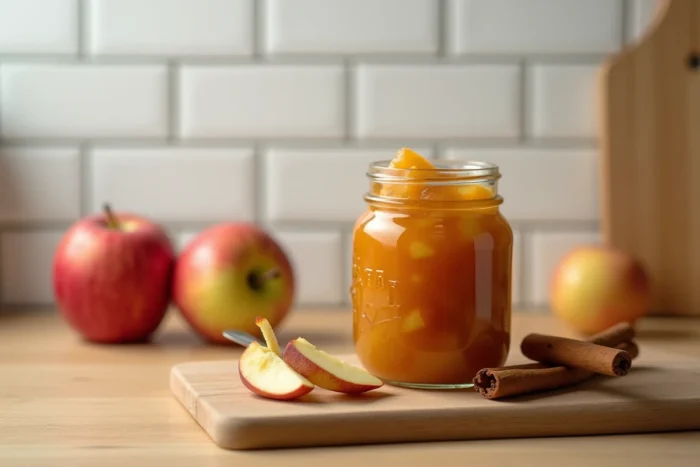
Apple, pear, cooked banana: applesauce provides fiber and natural sugars. Strain or blend finely to eliminate any seeds or chunks that could migrate to the wound.
Applesauce can be eaten cold or at room temperature, making it suitable right from the first hours after the procedure. It also serves as a dessert without straining the jaw.
4. Plain Yogurt or Protein-Enriched Cottage Cheese
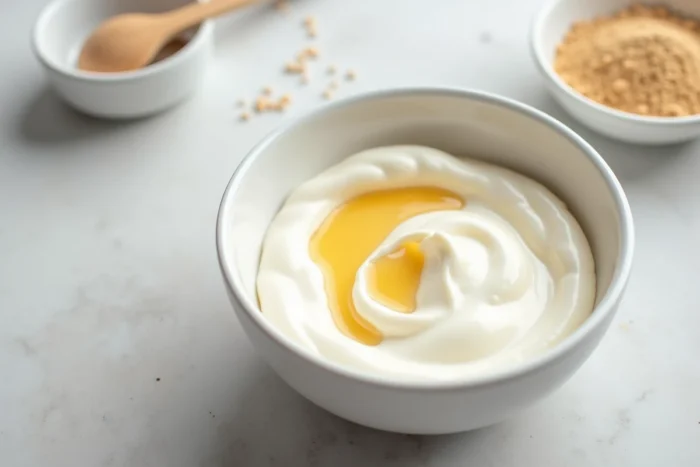
Plain yogurt and cottage cheese provide protein and calcium with no chewing required. Their cold temperature helps limit local inflammation in the mouth.
Avoid fruit yogurts with chunks. Opt for a smooth cottage cheese to which you can add a drizzle of honey if the neutral taste bores you. High-protein versions (like skyr) better meet daily nutritional needs.
5. Banana-Milk Smoothie without a Straw
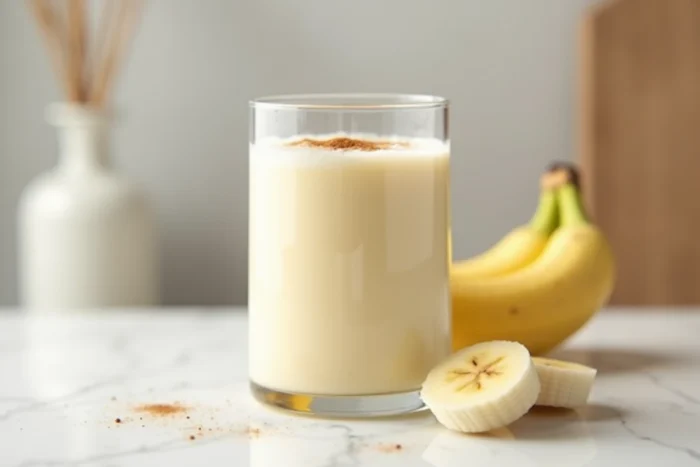
A smoothie made with banana, milk, and possibly smooth peanut butter makes a complete liquid meal. The banana provides potassium, the milk offers protein, and the peanut butter adds fats.
Never drink with a straw after an extraction. Sucking creates a vacuum in the mouth that can dislodge the blood clot and cause dry socket. Drink directly from the glass or with a spoon.
6. Creamy Scrambled Eggs
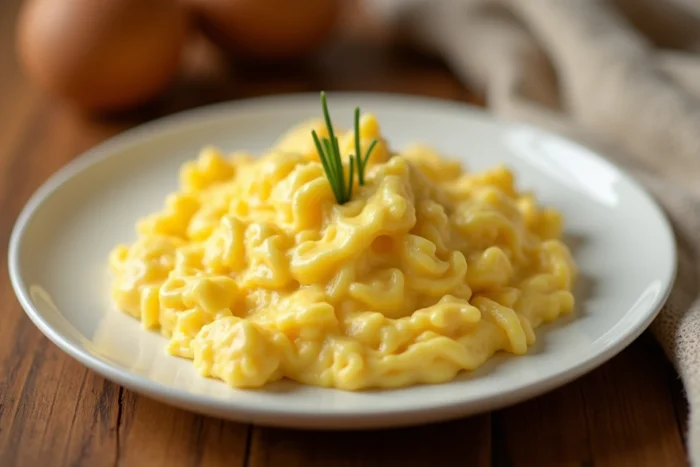
Scrambled eggs, cooked over very low heat with a bit of butter, achieve a creamy texture that requires almost no chewing. Two eggs provide about ten grams of protein.
Let them cool slightly before eating. They are suitable from the second or third day, when sensitivity decreases and you can tolerate a texture slightly denser than liquid.
7. Mashed Avocado on Crustless Bread
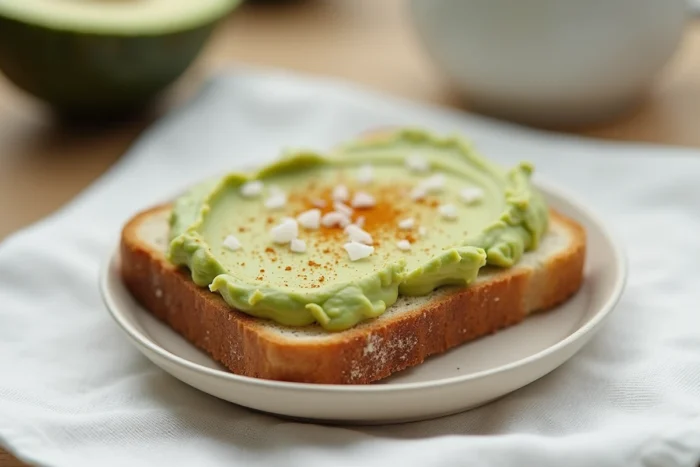
Mashed avocado has a consistency similar to that of a puree. Spread on crustless bread (the soft part dissolves in the mouth), it makes a light but rich meal in fatty acids.
This meal is better suited from the third or fourth day, when the jaw regains enough mobility for minimal chewing. Always remove the crust, which is too hard for the operated area.
8. Chocolate Mousse
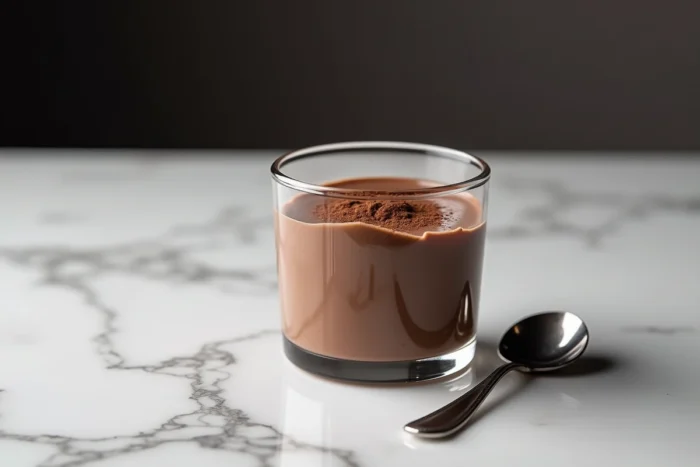
Chocolate mousse is not just a dessert: it provides calories and taste pleasure at a time when eating can become monotonous. Its airy texture melts in the mouth effortlessly.
Serve it cold. If you make it at home, melted dark chocolate mixed with whipped egg whites yields a denser nutrient result than industrial versions. Puddings and flans fall into the same category of suitable textures.
9. Overcooked Small Pasta
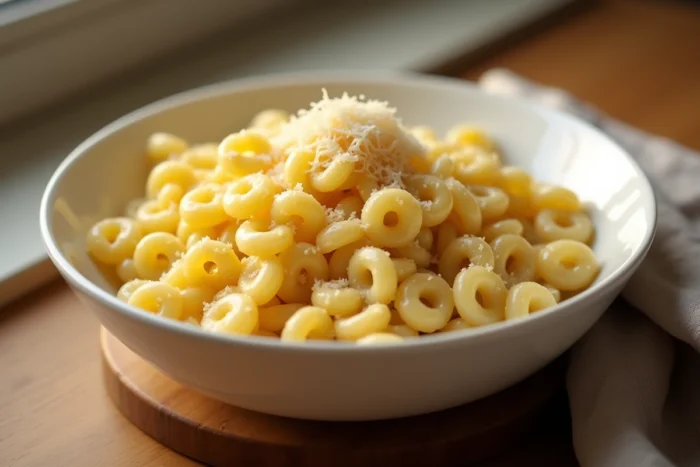
From the third to the fifth day, small pasta (like risoni, small shells, or alphabet pasta) cooked well beyond the indicated time become a viable option. Overcooking makes them soft enough to be crushed against the palate.
Accompany them with a smooth sauce, without chunks of meat or diced vegetables. A strained tomato sauce or a light cream works well. Avoid rice, however: its loose grains can get stuck in the socket and hinder healing.
10. Cold Cucumber and Mint Soup
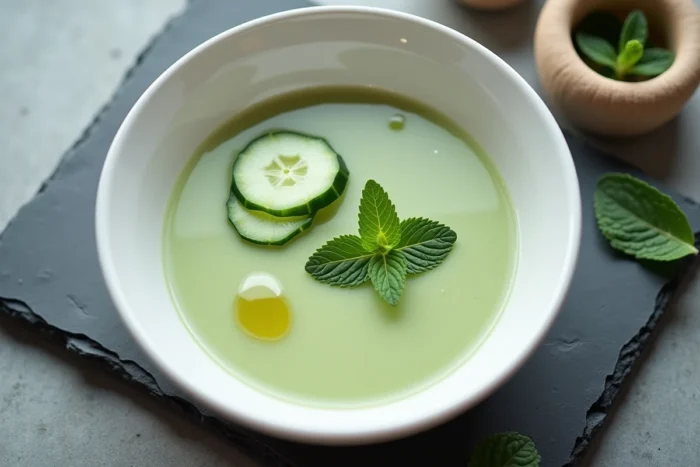
Cold soup (like cucumber gazpacho) adds variety when warm soups become repetitive. Blend cucumber, yogurt, and a few mint leaves to create a fresh and hydrating meal.
This format is particularly suitable in summer or when heat exacerbates oral discomfort. Be sure to blend very finely to leave no fibrous pieces of mint or cucumber skin.
Some reminders to keep in mind during the entire healing period:
- Maintain a diet at warm or cold temperature for the first three days, then gradually reintroduce warmer dishes.
- Avoid acidic foods (lemon juice, vinaigrette), carbonated drinks, and anything with small grains (sesame, raspberry, rice).
- Chew on the opposite side of the extraction area as soon as you resume semi-solid textures.
Returning to a normal diet usually happens gradually over one to two weeks. Each stage depends on actual healing, not a fixed schedule: if pain returns when eating a food, revert to the previous texture.